Case study · public evidence

Rail Baltica: what the audit evidence shows.

A retrospective look at estimate maturity, scope changes and delivery dependencies—and how Izere’s connected evidence approach would structure an earlier review.

Public-source case study, not an Izere customer engagement. Audit figures reflect the report’s November 2025 status, published in 2026; they are not a live project forecast.

€4.65bnOriginal estimate · 2019 prices
€18.19bnRevised estimate · 2019 prices
+291%Increase against the original estimate

Source: European Court of Auditors, Special Report 02/2026, Table 1. Estimated project costs, not final expenditure.

Cost estimates changed. Design uncertainty remained.

The audit documents substantial revisions in the cost and delivery picture. It attributes around half of the reported cost increase in the promoter’s analysis to insufficient maturity and detail in earlier estimates.

Scope and design changes also contributed. The audit notes that mature design studies covered only one third of the route, leaving uncertainty around the revised estimate. It also describes phased delivery: an initial single-track railway targeted for 2030 and a fuller second phase without a precise timetable.

Three questions for an earlier review.

These are examples of how Izere would structure the evidence. They are not historical alerts generated by a deployed Izere system.

01

What supports the budget?

Review how much of the estimate rests on mature design and where assumptions remain provisional.

Connected evidence

Link every estimate version to its design package, assumptions, approval date and unresolved validation items.

02

What changed?

Review design and scope changes together with their cost and schedule implications.

Connected evidence

Connect change records to affected contracts, estimates and milestones, with the responsible owner visible.

03

What does each phase deliver?

Make the intended output of each phase explicit, together with the dependencies needed to make it useful.

Connected evidence

Link phase objectives to interfaces and milestones, then document who confirms the next decision.

This case does not establish that Izere would have predicted or prevented the cost increase. That requires prospective pilot validation.

Sources and limitations.

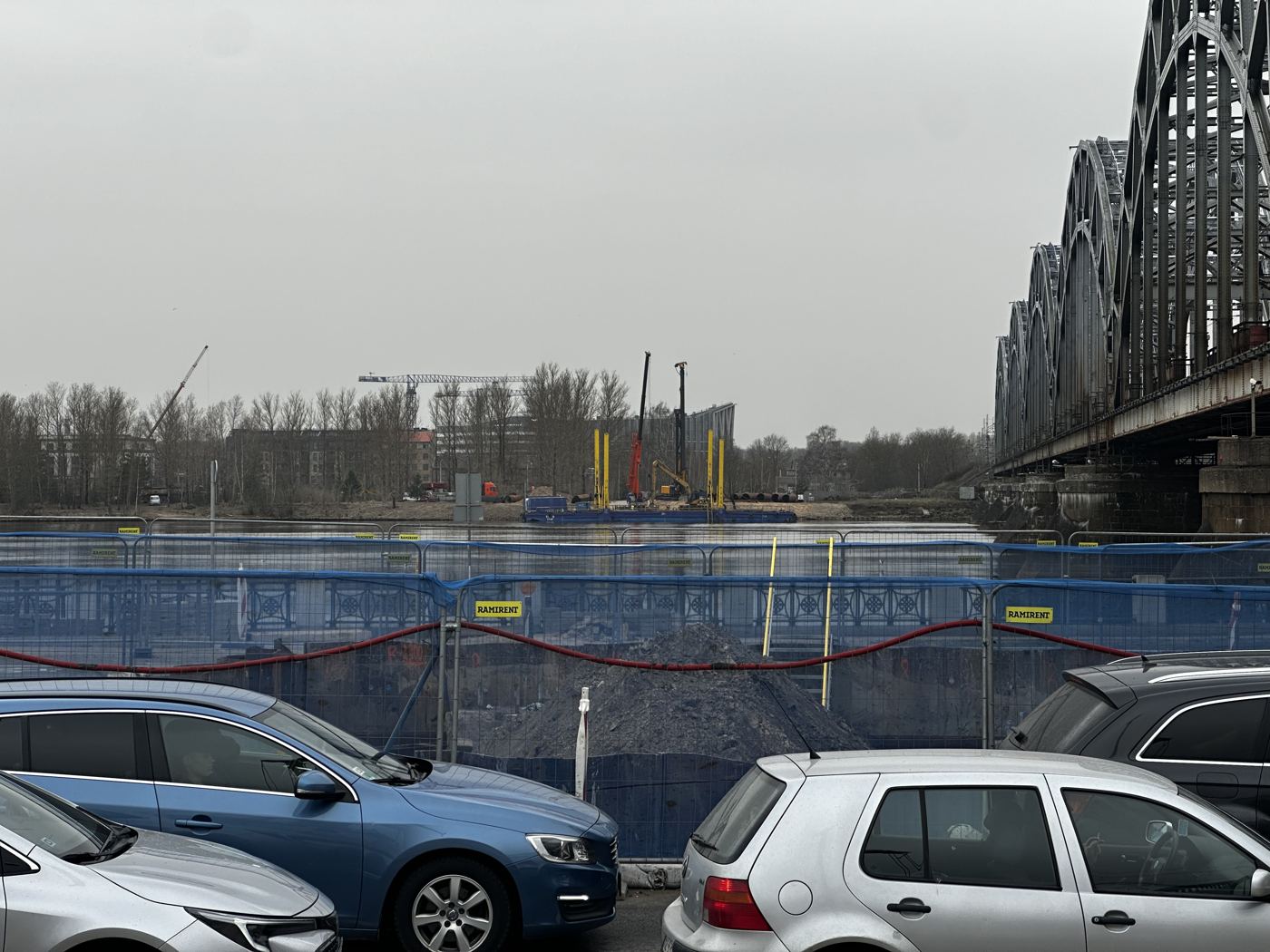
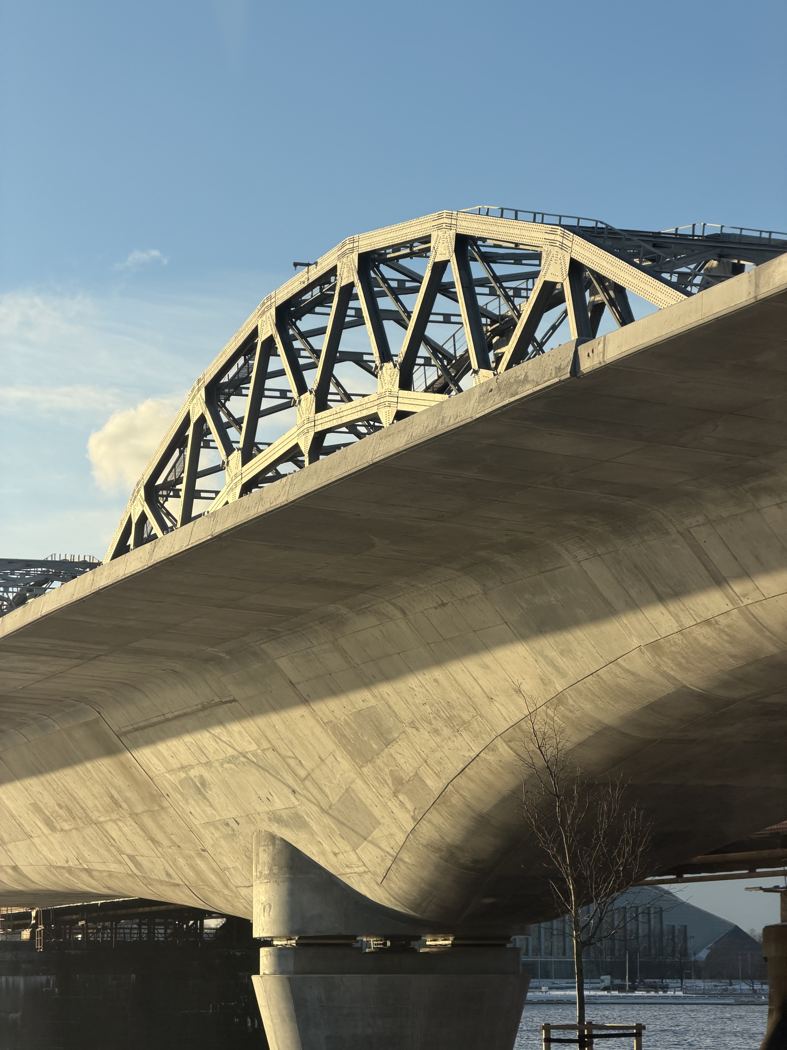
The case is intentionally bounded to published evidence. Photographs provide context but do not establish delivery performance.

  1. European Court of Auditors, Special Report 02/2026 — figures and findings cited above.
  2. Rail Baltica construction photographs: Cirkulis11 / Wikimedia Commons, CC0 1.0.
  3. Izere interpretation: illustrative review questions only; no customer data or deployed prediction.

Review your own project evidence.

Explore a focused pilot around the delivery questions your team is facing now.

Discuss a pilot →